
How Horror Escape Rooms Build Lasting Tension
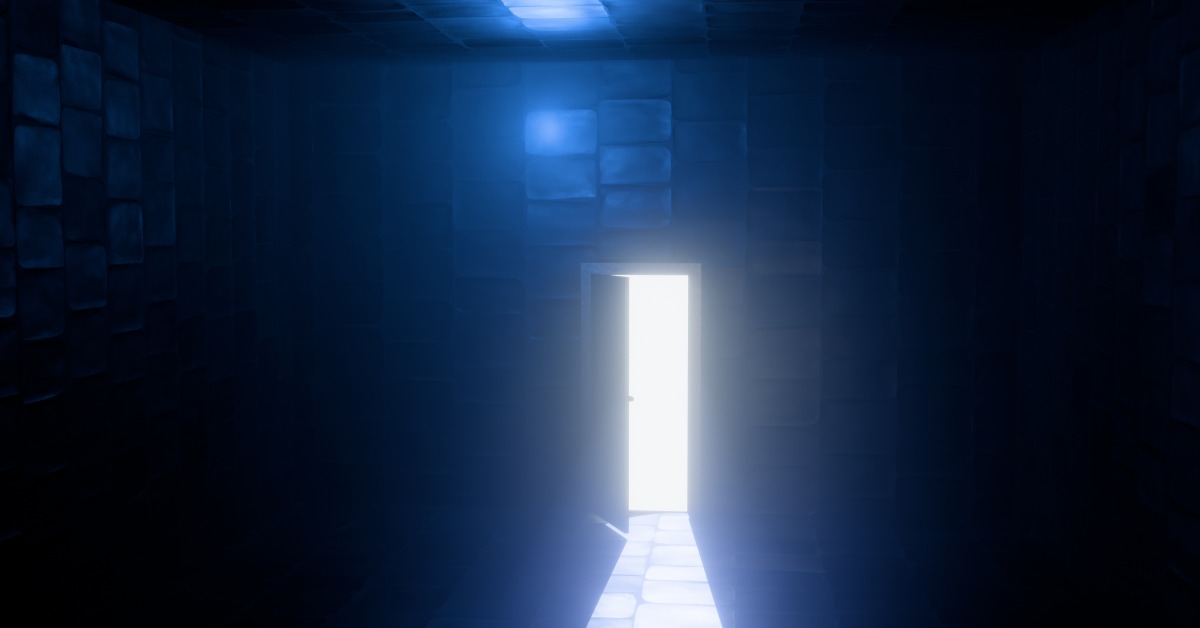
Horror escape rooms offer something different from traditional haunted attractions. Instead of watching frightening events unfold, participants become active parts of the experience. Every decision matters, and each unfamiliar sound can create another reason to feel nervous. The combination of interactive puzzles and unsettling environments makes these attractions particularly effective at maintaining suspense.
However, creating genuine tension takes more than placing frightening decorations throughout a room. Successful horror escape rooms use psychological techniques and carefully planned experiences to keep participants engaged. Understanding how these elements work reveals why some experiences remain frightening long after the initial surprise wears off.
Creating an Unsettling Atmosphere From the Beginning
The atmosphere establishes expectations before participants encounter their first puzzle. Designers use environmental details to suggest that something unusual or dangerous might happen.
A convincing horror setting often includes worn furniture, disturbing decorations, or unfamiliar objects. These details encourage participants to examine their surroundings while questioning what they might discover.
The environment also influences how comfortable people feel exploring. When a room looks unpredictable, even ordinary objects can become suspicious.
Strong atmospheric design creates tension without requiring constant frightening events. Participants begin anticipating danger simply because the surroundings encourage uncertainty.
Using Lighting To Control What Participants See
Lighting plays a major role in how horror escape rooms create suspense. Bright environments allow people to examine their surroundings confidently, while darker spaces limit their ability to identify potential threats.
Designers often use dim lighting to make familiar objects appear unfamiliar. Shadows can conceal important details or make harmless decorations seem threatening.
Lighting changes also influence emotional reactions. A sudden flicker might suggest electrical problems, while a slowly darkening room can create growing uncertainty.
Effective lighting supports the experience without making puzzles impossible to solve. Participants still need enough visibility to interact safely with their surroundings.
Building Suspense Through Unpredictable Sounds
Sound design creates tension even when participants cannot identify its source. Unexplained noises encourage people to imagine what might happen next.
Footsteps behind a wall or distant knocking can suggest activity outside the immediate playing area. These sounds make the environment feel larger and less predictable.
Designers can also manipulate volume and timing to influence reactions. Quiet sounds encourage participants to listen carefully, while unexpected noises interrupt their concentration.
The most effective sound effects support the environment’s story rather than creating random distractions.
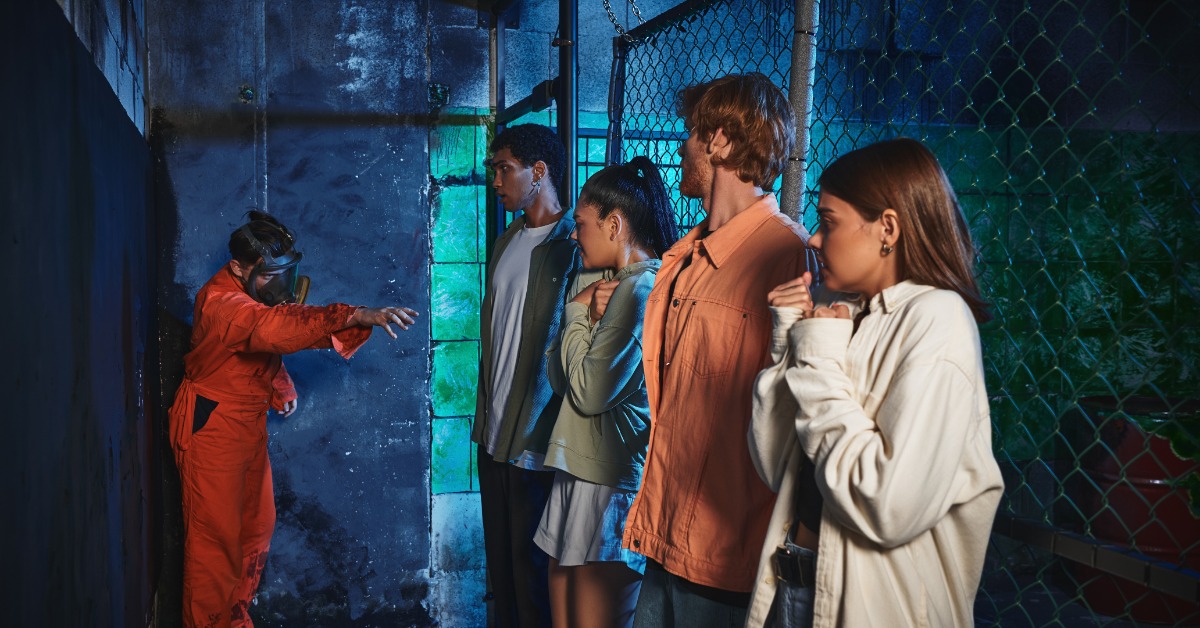
Making Silence Feel Uncomfortable
Silence can create just as much tension as frightening sound effects. When an environment suddenly becomes quiet, participants often expect something unusual to follow.
This anticipation encourages people to pay closer attention to their surroundings. Small movements and ordinary noises become more noticeable.
Designers sometimes introduce silence after periods of intense activity. The contrast changes the atmosphere and prevents participants from becoming accustomed to constant stimulation.
Silence also creates opportunities for psychological suspense. Without obvious threats, participants must decide whether the environment actually offers a moment of safety.
Using Storytelling To Establish Meaningful Stakes
A compelling story gives participants reasons to care about their surroundings. Rather than completing unrelated puzzles, players work toward an objective that connects with the environment.
Horror stories often involve mysterious disappearances, dangerous locations, or unsettling discoveries. These situations create questions that participants want to answer.
As players uncover information, the story can introduce additional uncertainty. New discoveries might challenge their earlier assumptions or suggest greater danger.
The strongest narratives make puzzle-solving feel necessary to the unfolding experience. Participants remain emotionally invested because their actions contribute to the story’s progression.
Creating Pressure With Time Limits
Time limits introduce urgency that naturally increases tension. Participants know they must complete their objectives before the experience ends.
A visible countdown can make even straightforward puzzles feel more challenging. As time decreases, players may begin questioning decisions they previously considered reasonable.
This pressure also affects group communication. Teams must balance careful thinking with the need to make progress.
However, excessive time pressure can become frustrating. Effective escape rooms give participants enough opportunity to solve challenges while maintaining a sense of urgency.
Making Players Feel Vulnerable Through Limited Information
Uncertainty represents one of the most powerful tools in horror entertainment. People often feel more nervous when they cannot predict what comes next.
Designers create uncertainty by limiting information about the environment. Participants might discover unfamiliar symbols or encounter objects whose purpose remains unclear.
These details encourage speculation. Players begin considering possible explanations, including frightening possibilities that the environment never directly confirms.
Horror themed escape rooms often rely on this psychological response to maintain suspense between major events.
The unknown keeps participants mentally engaged because they continually reassess their surroundings.
Incorporating Puzzles Into the Horror Experience
Puzzles help distinguish escape rooms from attractions that rely primarily on frightening performances. They require participants to interact with the environment rather than simply observe it.
Effective horror puzzles connect directly to the story. A mysterious document might reveal important information, while an unusual mechanism could provide access to another area.
These challenges create tension because participants must concentrate while remaining aware of potential surprises.
Designers can incorporate several puzzle approaches:
- Observation challenges that encourage careful examination of unsettling environments.
- Logic puzzles that require concentration despite distracting sounds.
- Physical mechanisms that encourage participants to interact with unfamiliar objects.
- Cooperative challenges that require players to communicate under pressure.
When puzzles support the atmosphere, participants experience suspense throughout the activity.
Controlling the Timing of Scares
Constant frightening events can reduce their effectiveness. When participants expect another scare every few seconds, they may become accustomed to the pattern.
Successful designers vary the timing of frightening moments. Longer periods of exploration allow anticipation to develop naturally.
An unexpected event becomes more effective when participants have focused their attention elsewhere.
Careful pacing also gives people opportunities to recover between intense moments. These changes help maintain excitement without overwhelming the experience.
The goal involves creating suspense that lasts throughout the room rather than relying exclusively on individual surprises.
Encouraging Teamwork Under Stress
Group dynamics can make horror escape rooms especially engaging. Participants must communicate while responding to unfamiliar situations.
Some players naturally take leadership roles, while others concentrate on examining clues. Stress can influence how these roles develop.
A frightening sound might interrupt an important conversation, forcing participants to regain their focus.
Cooperative challenges encourage teams to support one another. Successful communication can help participants manage anxiety while continuing toward their objective.
These interactions add another dimension to the experience because the group must overcome challenges together.
Using Environmental Changes To Maintain Uncertainty
Static environments can become predictable after participants spend enough time exploring them. Environmental changes help prevent that familiarity.
Designers might introduce new sounds or activate mechanisms as players progress. These developments suggest that the environment responds to their actions.
Even subtle changes can influence expectations. Participants may begin watching familiar areas more carefully after noticing something different.
Interactive environmental elements also strengthen immersion. Players feel that their decisions influence the experience rather than simply moving through disconnected rooms.
This responsiveness encourages continued attention throughout the attraction.
Balancing Fear With Enjoyment
Horror escape rooms need tension, but they also need enjoyable gameplay. Excessive fear can prevent participants from concentrating or appreciating the puzzles.
Designers must consider how different people respond to frightening situations. Some enjoy intense scares, while others prefer psychological suspense.
Clear expectations help participants choose experiences that match their comfort levels. Safety procedures and accessible communication also support confidence during gameplay.
A successful horror attraction challenges participants without making them feel genuinely unsafe. This balance allows suspense to remain entertaining instead of becoming unnecessarily stressful.
Why Lasting Tension Makes Horror Escape Rooms Memorable
The most effective horror escape rooms maintain suspense through thoughtful design rather than constant surprises. Atmosphere and interactive storytelling work together to influence how participants interpret their surroundings.
Every unfamiliar sound or unexpected development can reinforce the feeling that something might happen next. Meanwhile, puzzles keep players actively involved in the unfolding experience.
At 303 Escape, the Homicide Hotel concept emphasizes immersive horror and interactive challenges for adults seeking an unsettling adventure.
Ultimately, lasting tension comes from keeping participants curious about what awaits them. When designers balance uncertainty with engaging gameplay, horror escape rooms create experiences that remain memorable well beyond the final puzzle.


